How to Eliminate Bacteria and Germs in Carpets
Carpets shape how a room feels, but beneath their softness, they can quietly harbour bacteria that affect the air you breathe.
If you want a home that feels genuinely clean, you need more than surface tidiness and a quick pass with the vacuum.
With consistent care, you can turn your floor covering into a healthier foundation for everyday life.
Recognise What Lurks Beneath the Surface
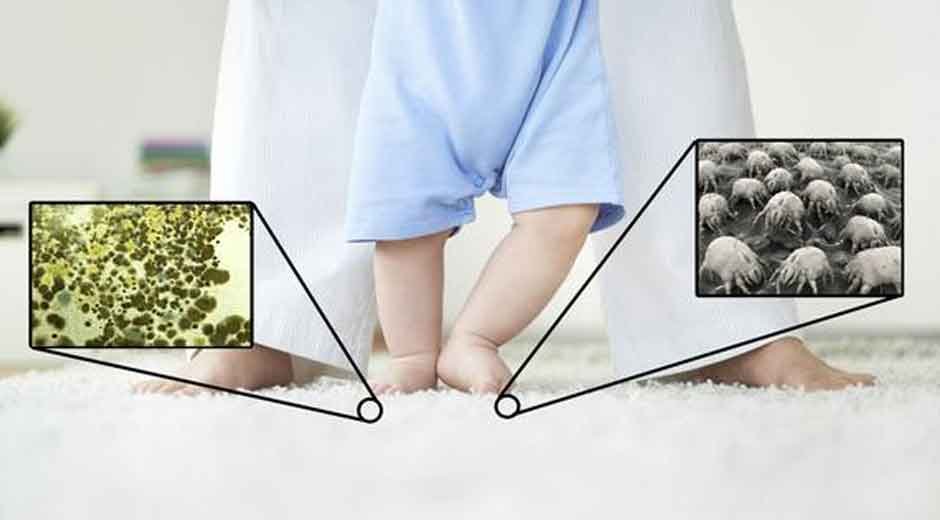
Every step across a carpet brings something new with it, whether that is outdoor grime, pollen, or invisible microbes.
You may not notice the change right away, yet fibres hold on to warmth and trace moisture, which creates a welcoming setting for bacteria to persist.
Over time, this hidden build-up can influence indoor air quality and aggravate respiratory sensitivity, even when the room appears spotless.
Carpets also collect organic matter such as skin cells and food particles, which bacteria use as a food source. In busy households, this process accelerates quietly, especially in hallways and living areas where movement is constant.
With this in mind, awareness becomes your first defence. Carpets act like filters, catching particles that would otherwise float freely, which sounds helpful until those particles accumulate unchecked.
Understanding this dual role encourages a more deliberate approach to care, one that treats carpets as active parts of your indoor environment rather than passive decor.
Build Daily Habits That Limit Bacterial Growth
Good carpet hygiene begins with small actions repeated over time.
Regular vacuuming lifts away debris before it sinks deeper into the pile, and using a machine with a HEPA filter helps capture finer particles that would otherwise circulate back into the room.
Moving slowly, especially in high-traffic areas, allows suction to work properly instead of brushing over the surface.
Meanwhile, moisture control plays a vital role. Spills that appear dry on top can leave dampness below, creating pockets where bacteria linger.
Blotting rather than rubbing prevents liquid from spreading, while placing absorbent towels over the area encourages deeper drying. In rooms that feel heavy or close, improving airflow helps carpets dry faster after cleaning.
Seasonal changes matter as well. During colder months, closed windows and heating can trap humidity indoors, while summer brings its own challenges through open doors and garden access.
Adjusting routines as the seasons shift keeps bacterial growth in check and maintains a more stable indoor atmosphere.
Select Cleaning Products With Care
When deeper cleaning is needed, the products you choose matter just as much as the effort you put in. Some solutions contain antibacterial agents that neutralise microbes upon contact, yet not all carpets respond well to the same formulas.
Wool and other natural fibres benefit from pH-balanced cleaners that protect their structure, while synthetic materials can tolerate more robust treatments.
Reading labels closely helps you strike a balance between effectiveness and long-term care.
Residue left behind by overly harsh products can attract dirt more quickly, which means the carpet soils faster after cleaning. Gentle yet targeted formulas reduce this risk and support a cleaner feel between sessions.
Eco-friendly options deserve attention when selected carefully. Many modern plant-based cleaners combine safety with performance, making them suitable for homes with children or pets.
When products work with the carpet rather than against it, you preserve comfort while reducing unnecessary exposure to irritants.
Use Home Remedies to Refresh and Disinfect
You can also support cleanliness with simple mixtures made from household ingredients.
Baking soda sprinkled lightly across the carpet absorbs odours and loosens particles lodged between fibres, making them easier to remove when vacuumed. Leaving it in place briefly allows it to draw out moisture that bacteria rely on.
Essential oils such as tea tree or lavender add mild antibacterial qualities while contributing a clean, natural scent. Used sparingly, they refresh the space without overwhelming it.
Vinegar diluted with water offers another effective option, breaking down residue that microbes feed on while leaving fibres free from heavy coatings.
When using home remedies, timing is crucial. Applying them during dry weather or earlier in the day ensures carpets dry fully before evening, when cooler air slows evaporation.
These small considerations help homemade solutions work as intended rather than creating new problems.
Apply Heat and Expertise for a Deeper Clean
For carpets that see heavy use, heat becomes a powerful ally.
Steam cleaning reaches temperatures that bacteria cannot survive, penetrating deep into fibres where household tools fall short. By properly preparing the carpet beforehand, you can ensure that heat reaches the most important areas, free from surface debris.
Pacing is essential during this process. Moving too quickly leaves moisture behind, while a steady rhythm allows heat and extraction to work together.
Afterward, encouraging airflow through open windows or fans speeds drying and reduces the chance of lingering dampness.
If the task feels overwhelming or the carpet has been neglected, professional support can restore both hygiene and appearance. Experienced cleaners understand how different fibres react to heat and moisture and adjust their techniques accordingly.
Their approach to carpet washing removes deeply embedded contaminants while preserving texture and structure.
Prevent Future Problems With Thoughtful Care
Once your carpet is clean, prevention keeps it that way. Adopting a no-shoes approach indoors limits what is tracked inside, while doormats catch dirt before it reaches living spaces.
In addition, regular furniture rotation prevents compressed areas where debris settles more easily.
Protective treatments add another layer of defence by repelling spills and slowing bacterial spreads. Combined with consistent maintenance, these measures reduce how frequently intensive cleaning is required.
Over time, carpets remain fresher, healthier, and more resilient.
A mindful approach also encourages you to notice changes early. A musty scent, a patch that dries slowly, or increased dust in the room can all signal the need for attention. Acting promptly prevents minor issues from developing into larger concerns.
Conclusion
A well-cared-for carpet supports a healthier home without demanding constant attention.
By combining awareness, routine care, and informed cleaning choices, you keep bacteria under control and comfort underfoot.
In the end, steady habits create a living space that feels lighter and genuinely clean for you.